
Back to Blog
Arabic Reading Strategies for School Students
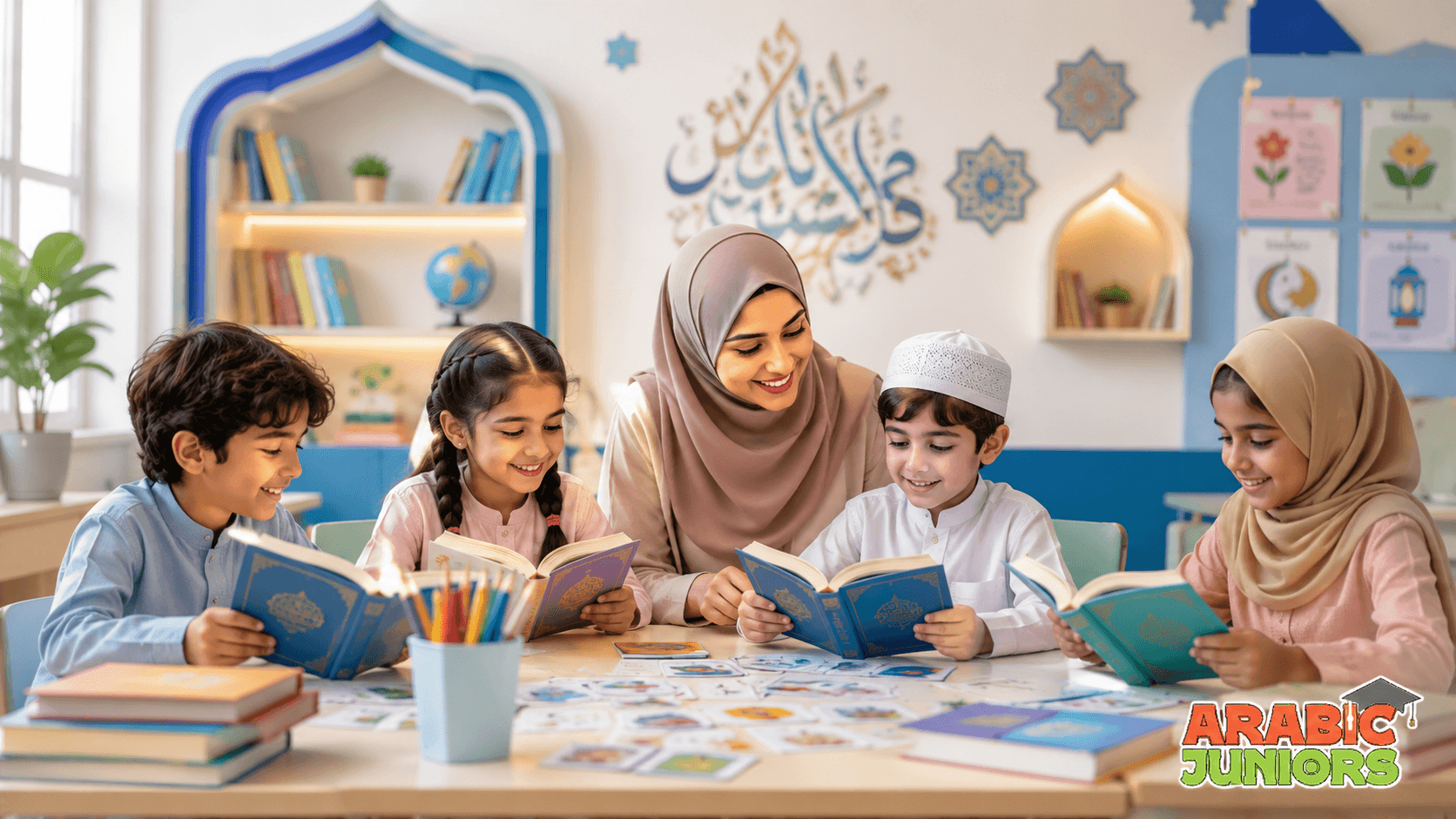
Learning Arabic is an exciting journey, but many school students struggle with reading fluently. Since Arabic has unique letters, sounds, and sentence structures, students need the right learning approach to build confidence and accuracy.
Using effective Arabic reading strategies for school students can significantly improve pronunciation, vocabulary, comprehension, and overall language skills. Consistent reading practice with age-appropriate materials helps children become confident Arabic readers over time.
In this guide, we'll explore practical techniques that parents, teachers, and students can use to make Arabic reading easier and more enjoyable.
Why Arabic Reading Skills Matter
Strong Arabic reading skills help students:
Improve classroom performance
Build a rich Arabic vocabulary
Understand grammar naturally
Develop better writing skills
Increase speaking confidence
Connect with Arabic culture and literature
Students who read regularly also perform better in comprehension and language-based assessments because reading strengthens multiple language skills simultaneously.
1. Master the Arabic Alphabet First
Every successful Arabic learner begins by mastering:
Letter recognition
Letter sounds
Different letter forms
Beginning, middle, and ending shapes
Students should avoid rushing into long passages before recognizing letters instantly.
Practice Tip:
Spend 10–15 minutes daily reviewing:
Arabic alphabet charts
Flashcards
Letter tracing
Sound recognition games
2. Learn Using Phonics Instead of Memorization
One of the best Arabic reading strategies is phonics.
Instead of memorizing words, students should learn how letters combine to create sounds.
For example:
ب + ا = با
م + ا = ما
This method improves decoding skills and helps children read unfamiliar words confidently.
3. Read Short Stories Every Day
Daily reading builds fluency faster than occasional long study sessions.
Choose:
Children's Arabic storybooks
Picture books
Short dialogues
Grade-level readers
Reading just 15–20 minutes every day improves confidence and reading speed over time. Regular practice is more effective than infrequent long sessions.
4. Read Aloud
Reading aloud improves:
Pronunciation
Confidence
Fluency
Listening skills
Parents and teachers should encourage students to:
Read one paragraph aloud
Listen carefully
Repeat difficult words
Focus on correct pronunciation
Speaking and reading together strengthen language development.
5. Build Arabic Vocabulary Daily
Students cannot become fluent readers without a strong vocabulary.
Teach:
5–10 new words daily
Word meanings
Synonyms
Opposites
Usage in sentences
Vocabulary-building games make learning enjoyable.
Examples include:
Matching games
Picture cards
Memory games
Word puzzles
6. Use Visual Learning Techniques
Children learn faster through visuals.
Helpful resources include:
Flashcards
Picture dictionaries
Infographics
Illustrated storybooks
Interactive learning apps
Visual learning improves memory retention and makes Arabic lessons more engaging.
7. Practice Reading with Harakat
Beginners should start with texts that include Harakat (vowel marks).
Harakat help students:
Pronounce words correctly
Read more confidently
Avoid guessing words
Learn grammar naturally
As students improve, they can gradually move to texts without vowel markings.
8. Ask Comprehension Questions
Reading isn't only about pronunciation.
Students should also understand what they read.
After every passage, ask questions like:
Who is the main character?
What happened?
Where did the story take place?
What did you learn?
This strengthens Arabic comprehension skills.
9. Re-read Familiar Passages
Many students believe they should always read something new.
However, research and experienced Arabic educators recommend re-reading familiar texts because repeated reading improves fluency, speed, and confidence.
Students can:
Read the same story three times
Time themselves
Notice improvement
Focus on expression
10. Make Arabic Reading Fun
Children enjoy learning when lessons feel like play.
Try activities such as:
Storytelling competitions
Reading challenges
Role-play dialogues
Word treasure hunts
Reading reward charts
Fun experiences help children develop a lifelong love for reading. Community advice from Arabic educators also emphasizes enjoyable reading experiences over pressure.
Daily Arabic Reading Routine (20 Minutes)
Here's an easy daily routine for school students:
5 Minutes - Alphabet & phonics revision
5 Minutes - Vocabulary practice
5 Minutes - Read an Arabic story
5 Minutes - Answer comprehension questions
Consistency is far more important than long study sessions.
Common Mistakes Students Should Avoid
Many learners struggle because they:
Skip daily reading practice
Ignore pronunciation
Memorize instead of understanding
Read without comprehension
Learn too many words at once
Avoid reading aloud
Correcting these habits early makes learning much easier.
How Parents Can Help
Parents play a vital role in developing Arabic reading habits.
They can:
Read together every day
Encourage storytelling
Celebrate progress
Provide Arabic books
Practice conversations at home
Create a positive learning environment
Even 15 minutes of shared reading can make a significant difference over time.
Why Choose Arabic Juniors?
At Arabic Juniors, we believe every child can become a confident Arabic reader with the right guidance.
Our structured learning approach includes:
Interactive Arabic lessons
Reading practice for beginners
Vocabulary-building activities
Fun learning games
Qualified Arabic teachers
Student-friendly curriculum
Whether your child is just beginning or wants to improve fluency, Arabic Juniors provides engaging learning experiences that make Arabic enjoyable and effective.
Final Thoughts
Developing strong Arabic reading strategies for school students takes patience, consistency, and the right learning methods. By focusing on phonics, vocabulary, reading aloud, comprehension, and enjoyable daily practice, children can steadily improve their Arabic reading skills and gain confidence in the language.
Remember, fluency is built through regular exposure, meaningful reading, and positive encouragement. With support from parents, teachers, and platforms like Arabic Juniors, every student can become a successful Arabic reader.
Latest Blog
Arabic Reading Strategies ...
Discover effective Arabic reading strategies for school students. Boost flu...
Best Tips to Improve Arabi...
Discover the best tips to improve Arabic skills for kids with reading, writ...

Discover Arabic Learning i...
Arabic isn’t just a subject—it’s a vital part of growing up in the UAE
Learn Arabic for Kids Onli...
Discover how to learn Arabic for kids with online Arabic classes for kids. ...
Start your journey today
Fuel Your Day with Inspiring Emails!