
Back to Blog
Arabic Dictation for Kids: Easy Imla Words & Practice Tests
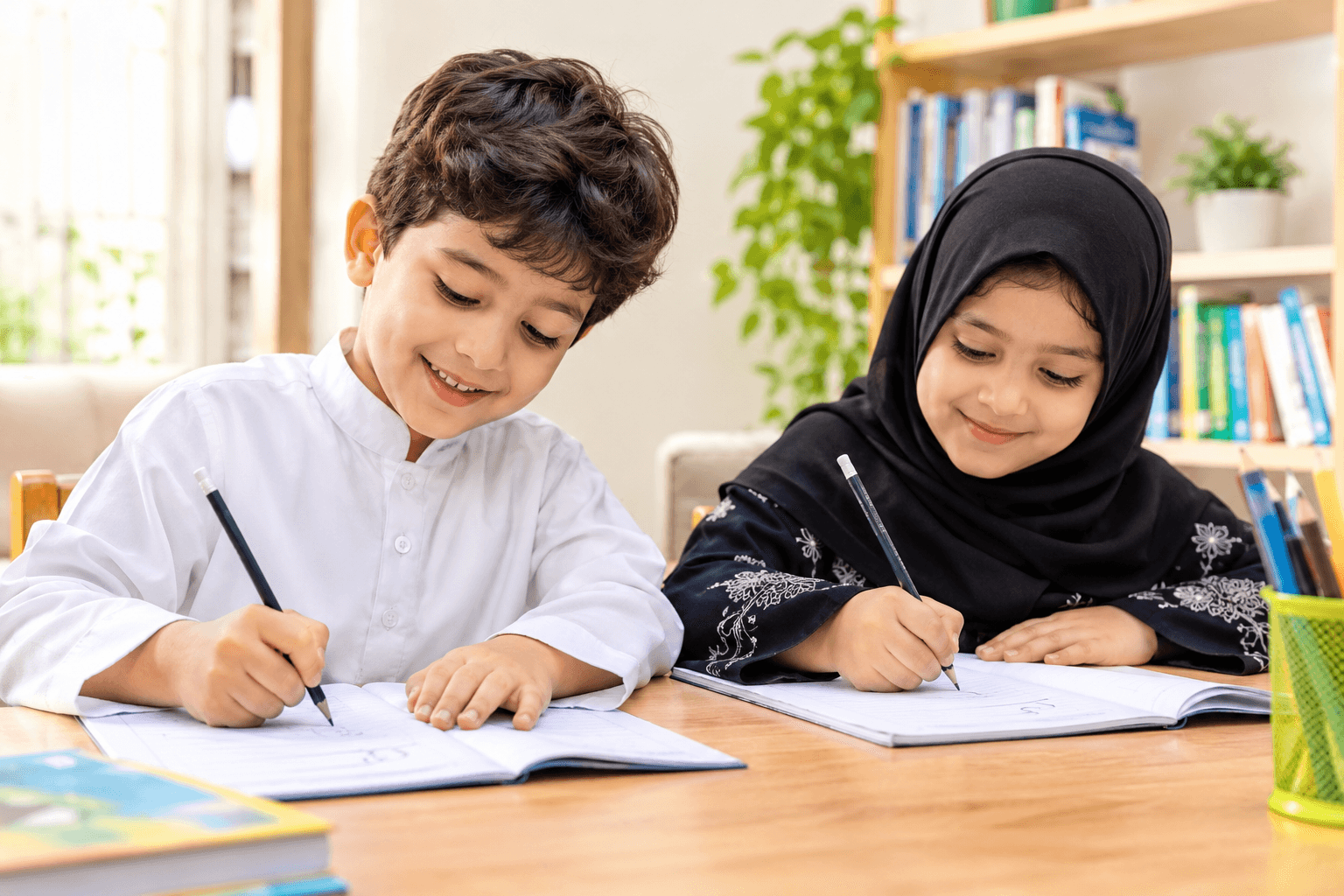
Learning Arabic becomes easier when children regularly practise listening, spelling, and writing. One of the best ways to develop these skills is through Arabic dictation, also known as Imla (إملاء). It helps children recognise Arabic sounds, remember vocabulary, understand letter formation, and write words correctly.
For young learners, Arabic dictation does not need to be difficult. Starting with simple words, everyday vocabulary, and short sentences can make the learning process enjoyable and effective.
Whether your child is a beginner or already studying Arabic at school, regular Arabic Imla practice for kids can improve spelling accuracy and writing confidence.
In this guide, you will discover easy Arabic dictation words, simple sentences, useful practice exercises, and short dictation tests that parents and teachers can use at home or in the classroom.
What Is Arabic Dictation (Imla)?
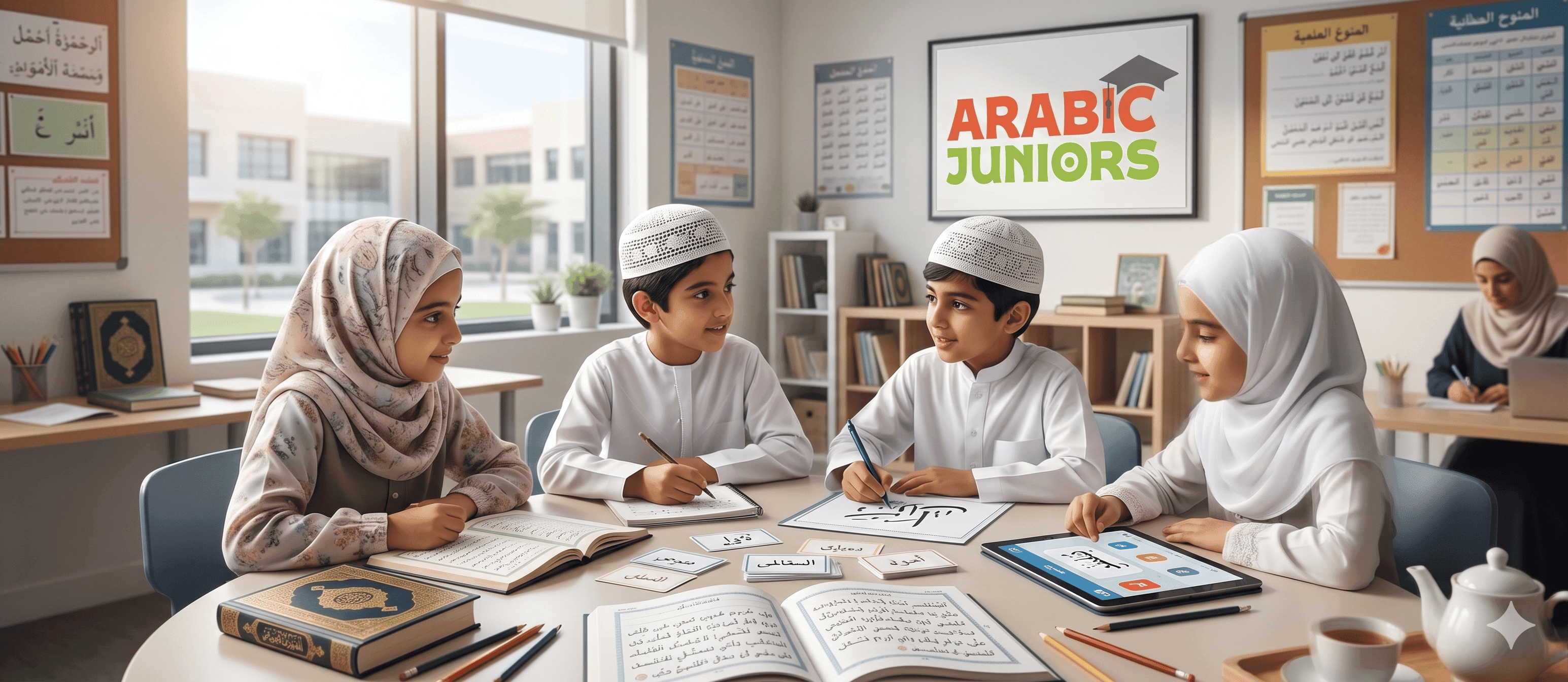
Arabic dictation, or Imla (إملاء), is a learning activity in which children listen to a word or sentence and write it correctly in Arabic.
For example, a teacher says the word:
كِتَابٌ – Kitaab – Book
The child listens carefully and writes the Arabic word in a notebook.
This simple activity combines listening, vocabulary recognition, spelling, and handwriting skills.
Arabic dictation is particularly useful for children who are learning to:
Recognise Arabic letters and their sounds.
Write Arabic words correctly.
Understand how letters connect.
Remember everyday Arabic vocabulary.
Form simple sentences.
Improve their overall Arabic writing skills.
Why Is Arabic Dictation Important for Kids?
Regular Arabic dictation practice helps children develop several important language skills.
1. Improves Arabic Spelling
Children learn how Arabic letters work together to form words. Repeated practice helps them remember the correct spelling of familiar vocabulary.
2. Develops Listening Skills
During dictation, children must listen carefully to the teacher or parent before writing. This improves their ability to recognise Arabic sounds and words.
3. Builds Vocabulary
Practising words related to family, school, food, animals, and daily activities introduces children to useful Arabic vocabulary.
4. Strengthens Handwriting
Writing words regularly helps children become more comfortable with Arabic letter shapes, dots, and connections.
5. Builds Confidence for Arabic Exams
Dictation exercises can help students prepare for classroom spelling activities, Arabic writing assessments, and school examinations.
Easy Arabic Dictation Words for Beginners
Children should start with short and familiar Arabic words before moving towards more challenging vocabulary.
Here are some useful Arabic dictation words with English meanings and transliterations.
1. Basic Arabic Imla Words
أَب - Ab - Father
أُمّ - Umm - Mother
بَيْت - Bayt - House
بَاب - Baab - Door
قَلَم - Qalam - Pen
كِتَاب - Kitaab - Book
وَلَد - Walad - Boy
بِنْت - Bint - Girl
مَاء - Maa' - Water
شَمْس - Shams - Sun
These words are suitable for beginners who are learning basic Arabic vocabulary and spelling.
2. Arabic School Dictation Words
School-related vocabulary is especially useful for children because they encounter these words regularly in their lessons.
مَدْرَسَة - Madrasa - School
مُعَلِّم - Mu'allim - Teacher
طَالِب - Taalib - Student
دَفْتَر - Daftar - Notebook
مِمْحَاة - Mimhaah - Eraser
حَقِيبَة - Haqeebah - Bag
كُرْسِيّ - Kursiyy - Chair
سَبُّورَة - Sabboorah - Board
مِسْطَرَة - Mistarah - Ruler
فَصْل - Fasl - Classroom
3. Arabic Animal Dictation Words
Animal names make Arabic spelling practice interesting for younger children.
قِطَّة - Qittah - Cat
كَلْب - Kalb - Dog
أَسَد - Asad - Lion
فِيل - Feel - Elephant
أَرْنَب - Arnab - Rabbit
سَمَكَة - Samakah - Fish
حِصَان - Hisaan - Horse
عُصْفُور - Usfoor -Bird
4. Arabic Food Dictation Words
Food-related words are another excellent category for everyday Arabic Imla practice.
تُفَّاح - Tuffaah -Apple
مَوْز - Mawz - Banana
خُبْز - Khubz - Bread
حَلِيب - Haleeb - Milk
أَرُزّ - Aruzz - Rice
لَحْم - Lahm - Meat
تَمْر -Tamr - Dates
جُبْن - Jubn - Cheese
Easy Arabic Dictation Sentences for Kids
Once children can write individual Arabic words, introduce short sentences.
Start with two- or three-word sentences and gradually increase their length.
Here are some beginner-friendly Arabic dictation sentences.
هَذَا كِتَابٌ - This is a book.
هَذَا قَلَمٌ - This is a pen.
هَذَا بَيْتٌ - This is a house.
أَنَا طَالِبٌ - I am a student (boy).
أَنَا طَالِبَةٌ - I am a student (girl).
أُحِبُّ أُمِّي - I love my mother.
الشَّمْسُ مُشْرِقَةٌ - The sun is shining.
الْوَلَدُ يَلْعَبُ - The boy is playing.
الْبِنْتُ تَقْرَأُ - The girl is reading.
أَنَا أَذْهَبُ إِلَى الْمَدْرَسَةِ - I go to school.
Practice Tip: Read each sentence aloud once at a normal speed, repeat it slowly, and allow your child to write it independently.
Arabic Imla Practice Exercises for Kids
Different types of exercises help children develop spelling and writing skills.
Exercise 1: Listen and Write
Ask your child to listen to the following words and write them in Arabic.
Book
House
Pen
School
Water
Mother
Apple
Cat
Answer Key:
كِتَاب
بَيْت
قَلَم
مَدْرَسَة
مَاء
أُمّ
تُفَّاح
قِطَّة
Exercise 2: Complete the Missing Arabic Letters
Fill in the missing letters to complete each Arabic word.
كِتَا__
بَـا
قَـم
مَدْرَسَـ
حَلِيـ
Answer Key:
كِتَاب
بَاب
قَلَم
مَدْرَسَة
حَلِيب
Exercise 3: Choose the Correct Arabic Word
Choose the correct Arabic spelling for each English word.
1. Book
كِتَاب
قَلَم
بَيْت
2. School
مَدْرَسَة
مَاء
شَمْس
3. Mother
أَب
أُمّ
وَلَد
4. Cat
قِطَّة
كَلْب
أَسَد
5. Water
خُبْز
مَاء
حَلِيب
Answer Key: 1. كِتَاب, 2. مَدْرَسَة, 3. أُمّ, 4. قِطَّة, 5. مَاء.
Arabic Dictation Practice Tests for Kids
Practice tests help parents and teachers understand how well children can remember Arabic words and sentences.
Try these three levels according to your child's learning ability.
Test 1: Beginner Arabic Dictation
Instructions: Read each English meaning aloud. Ask your child to write the Arabic word.
Book__________
Pen__________
Boy__________
House__________
Sun__________
Answer Key:
كِتَاب
قَلَم
وَلَد
بَيْت
شَمْس
Test 2: Intermediate Arabic Dictation
Instructions: Dictate these Arabic sentences slowly and ask your child to write them.
هَذَا كِتَابٌ
أَنَا طَالِبٌ
أُحِبُّ أُمِّي
هَذِهِ مَدْرَسَةٌ
الْوَلَدُ يَلْعَبُ
Answer Key: Use the same five sentences to check spelling, letter connections, and dots.
Test 3: Advanced Arabic Dictation
Instructions: Read the following short paragraph aloud in small sections. Ask your child to write it independently.
Arabic Dictation Paragraph:
أَنَا طَالِبٌ. أَذْهَبُ إِلَى الْمَدْرَسَةِ كُلَّ يَوْمٍ. أَحْمِلُ كِتَابِي وَقَلَمِي. أُحِبُّ مُعَلِّمِي وَأَتَعَلَّمُ اللُّغَةَ الْعَرَبِيَّةَ.
English Meaning:
I am a student. I go to school every day. I carry my book and pen. I love my teacher and learn the Arabic language.
Important Arabic Spelling Rules Kids Should Practise
Arabic spelling can become challenging when children start writing longer words and sentences. Introduce these concepts gradually.
1. Arabic Letters and Their Dots
Some Arabic letters have similar shapes but different dots.
For example:
ب – Baa
ت – Taa
ث – Thaa
ن – Noon
ي – Yaa
Children should practise recognising the correct number and position of dots.
2. Short Vowels (Harakat)
Arabic short vowels help learners understand pronunciation.
فَتْحَة (َ) – A sound
كَسْرَة (ِ) – I sound
ضَمَّة (ُ) – U sound
سُكُون (ْ) – No short vowel
For example:
كَتَبَ – Kataba
كُتِبَ – Kutiba
Understanding these marks helps children read and pronounce Arabic words more accurately.
3. Long Vowels
Children should also learn how long vowel sounds are represented.
ا – Alif
و – Waaw
ي – Yaa
Examples:
بَاب – Door
نُور – Light
كَبِير – Big
4. Ta Marbuta (ة) and Haa (ه)
Children sometimes confuse these two letters.
Examples:
مَدْرَسَة – School
حَقِيبَة – Bag
وَجْه – Face
مِيَاه – Water
Practising words that contain these letters can help improve spelling accuracy.
How Parents Can Help Kids Practise Arabic Dictation at Home
Parents do not need complicated teaching materials to organise effective Arabic dictation practice.
Here are some simple ways to help children.
1. Create a Daily Dictation Routine
Set aside 10–15 minutes for Arabic spelling practice. Begin with five words and gradually introduce longer sentences.
2. Use Everyday Vocabulary
Choose words related to things children see around them, such as books, food, family members, and school objects.
3. Repeat Difficult Words
If a child makes a spelling mistake, explain the correct spelling and ask them to write the word again.
4. Read Words Clearly
Pronounce every word carefully. Give children enough time to listen and understand before writing.
5. Make Learning Enjoyable
Use flashcards, word games, picture-based activities, and small spelling challenges to keep children interested.
6. Review Mistakes Together
Instead of simply marking an answer wrong, explain which letter, dot, or vowel mark needs correction.
A Simple 7-Day Arabic Dictation Practice Plan
Consistency is more important than studying too many words in one session.
Parents can follow this simple weekly plan.
Monday - 5 basic Arabic words
Tuesday - 5 school-related words
Wednesday - 5 animal names
Thursday - 5 food-related words
Friday - 5 simple Arabic sentences
Saturday - Arabic dictation test
Sunday - Review mistakes and revise
This routine can be adjusted according to the child's age, school level, and learning speed.
Common Mistakes Children Make During Arabic Dictation
Understanding common mistakes helps parents and teachers provide better guidance.
1. Missing Dots: Children may forget dots or place them incorrectly. Practise similar-looking letters regularly.
2. Incorrect Letter Connections: Some Arabic letters do not connect to the following letter. Teach children the joining rules through short examples.
3. Confusing Similar Letters: Letters such as ب، ت، ث and ج، ح، خ can be difficult for beginners.
4. Forgetting Long Vowels: Children may miss Alif, Waaw, or Yaa when writing words.
5. Incorrect Ta Marbuta: Children sometimes confuse ة with ه, particularly at the end of words.
Regular practice and individual feedback can help children overcome these difficulties.
How Arabic Juniors Can Help Your Child Improve Arabic Writing
Learning Arabic requires more than memorising vocabulary. Children need regular guidance in reading, writing, listening, speaking, and grammar.
At Arabic Juniors, students can develop their Arabic language skills through structured online lessons and personalised teaching.
The learning approach supports children at different levels and helps them build confidence through interactive lessons and guided practice.
Arabic Juniors offers:
Personalised online Arabic tutoring.
Experienced Arabic teachers.
Support for UAE school curricula.
Reading and writing development.
Vocabulary and grammar practice.
Learning support for different school levels.
Parents looking for structured Arabic learning can explore our online Arabic tuition programmes and Arabic learning resources.
You can also read our guide on Arabic alphabet joining rules and practice sheets to help children understand how Arabic letters connect.
For more learning ideas, explore tips to improve Arabic reading, writing, and speaking skills for children.
Frequently Asked Questions (FAQs)
1. What is Imla in Arabic?
Imla (إملاء) means Arabic dictation. It is a writing activity in which students listen to spoken Arabic words or sentences and write them correctly.
2. How can I teach Arabic dictation to beginners?
Start with basic Arabic letters, their sounds, and simple vocabulary. Gradually introduce short words, sentences, and small paragraphs.
3. What are the easiest Arabic dictation words for kids?
Words such as بَيْت (house), قَلَم (pen), كِتَاب (book), أُمّ (mother), and بَاب (door) are useful starting points for beginners.
4. How often should children practise Arabic dictation?
Children can practise for around 10–15 minutes daily, depending on their age and attention span. Regular short sessions are often easier to maintain than lengthy exercises.
5. Does Arabic dictation improve spelling?
Yes. Dictation gives children regular opportunities to connect spoken sounds with written letters and practise correct spelling.
6. What is the difference between Arabic reading and dictation?
Arabic reading involves recognising written words and understanding their meaning, while dictation involves listening to spoken words and writing them correctly.
7. At what age can children start Arabic Imla practice?
Children can begin simple dictation activities once they recognise basic Arabic letters and their sounds. The difficulty should match their learning level rather than a fixed age.
8. How can parents check their child's Arabic dictation?
Compare the child's writing with the correct spelling. Check letters, dots, connections, and vowel marks where required. Explain mistakes and encourage another attempt.
Conclusion
Arabic dictation is an effective way to help children improve spelling, listening, vocabulary, and handwriting skills. By starting with easy Imla words and gradually moving towards sentences and paragraphs, children can develop a stronger foundation in Arabic writing.
Parents and teachers can make the process more effective through short daily exercises, regular revision, and simple practice tests.
The key is to make Arabic dictation a consistent and enjoyable learning activity.
Help your child build stronger Arabic writing skills with regular practice and expert guidance from Arabic Juniors.
Latest Blog
Best Tips to Improve Arabi...
Discover the best tips to improve Arabic skills for kids with reading, writ...
How Expatriate Students Ca...
Learn how expatriate students in the UAE can learn Arabic easily with pract...
Arabic Learning Tips for N...
Discover expert Arabic learning tips for non-native students. Improve speak...
How to Improve Arabic Mark...
Learn how to improve Arabic marks in UAE schools with expert study tips, gr...
Start your journey today
Fuel Your Day with Inspiring Emails!


