
Back to Blog
How to Write a Paragraph in Arabic: Examples & Templates
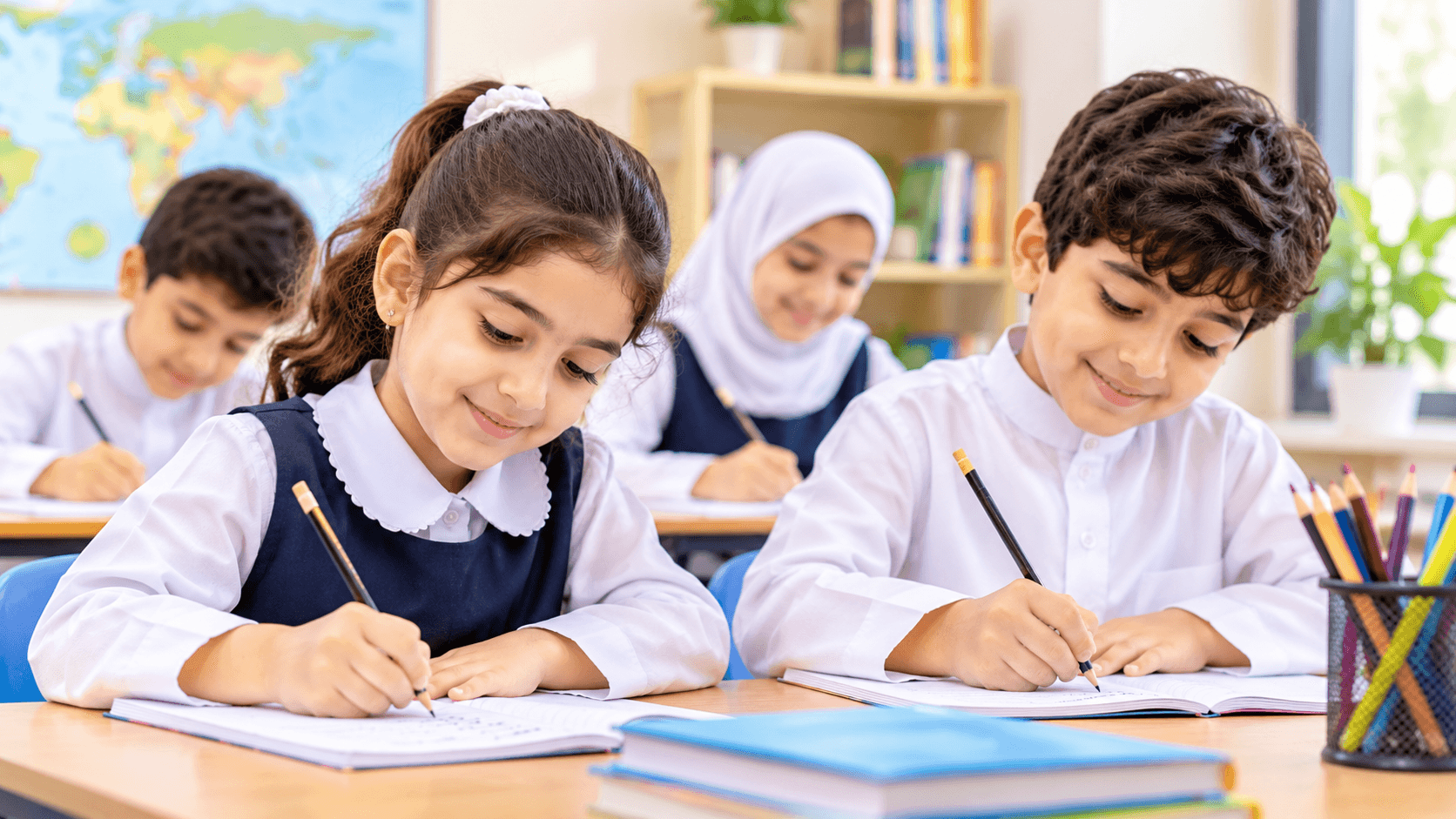
Learning how to write a paragraph in Arabic is an important skill for school students. Whether children are beginners or studying Arabic as a second language, paragraph writing helps them improve vocabulary, grammar, sentence formation, and overall writing skills.
Many students understand individual Arabic words but struggle to combine them into meaningful sentences and complete paragraphs. They may also find it difficult to organise their ideas, use correct grammar, or choose the right vocabulary.
The good news is that Arabic paragraph writing becomes much easier when students follow a simple structure and practise with familiar topics.
In this guide, you will learn how to write a paragraph in Arabic step by step, explore easy Arabic paragraph examples with English translations, and discover useful writing templates for common school topics.
What Is an Arabic Paragraph?
An Arabic paragraph is a group of connected sentences that explain one main idea or topic. It is called فِقْرَة (Fiqrah) in Arabic.
A good Arabic paragraph usually includes:
An introduction that presents the topic.
Supporting sentences that explain the main idea.
Relevant vocabulary and correct grammar.
A concluding sentence that completes the paragraph.
For example, when writing about your school (مَدْرَسَتِي), you can mention its name, location, teachers, classrooms, friends, and favourite subjects.
Students should focus on writing simple and meaningful sentences rather than using difficult vocabulary unnecessarily.
Basic Structure of an Arabic Paragraph
Before writing a complete paragraph, students should understand its basic structure.
1. Introduction (المُقَدِّمَة)
Start by introducing the topic in one or two simple sentences.
For example:
أَنَا طَالِبٌ فِي الْمَدْرَسَةِ.
I am a student at school.
2. Main Body (مَوْضُوعُ الْفِقْرَةِ)
Write three to five sentences explaining the topic.
For example:
أَدْرُسُ اللُّغَةَ الْعَرَبِيَّةَ وَالرِّيَاضِيَّاتِ وَالْعُلُومَ.
I study Arabic, mathematics, and science.
3. Conclusion (الخَاتِمَة)
End the paragraph with a sentence that expresses your opinion or summarises the topic.
For example:
أُحِبُّ مَدْرَسَتِي كَثِيرًا.
I love my school very much.
This simple structure helps students organise their thoughts and write better Arabic paragraphs.
How to Write a Paragraph in Arabic Step by Step
Follow these steps to write a clear and meaningful Arabic paragraph.
Step 1: Understand the Topic
Read the question carefully and identify what you need to write about.
For example:
مَدْرَسَتِي – My School
أُسْرَتِي – My Family
نَفْسِي – Myself
هِوَايَتِي – My Hobby
يَوْمِي – My Daily Routine
Understanding the topic helps you select the right vocabulary.
Step 2: Collect Useful Arabic Vocabulary
Before writing, make a small list of words related to your topic.
For example, if the topic is My School, useful words include:
مَدْرَسَة - School
مُعَلِّم - Teacher
طَالِب - Student
كِتَاب - Book
فَصْل - Classroom
صَدِيق - Friend
دَرْس - Lesson
مَكْتَبَة - Library
مَلْعَب - Playground
مَادَّة - Subject
Learning topic-related vocabulary makes sentence formation easier.
Step 3: Make Simple Arabic Sentences
Use the vocabulary to create short sentences.
Examples:
أَنَا طَالِبٌ. – I am a student.
هَذِهِ مَدْرَسَتِي. – This is my school.
أُحِبُّ مُعَلِّمِي. – I love my teacher.
عِنْدِي أَصْدِقَاءُ كَثِيرُونَ. – I have many friends.
Step 4: Connect Your Sentences
Use simple connecting words to make your Arabic paragraph flow naturally.
وَ - And
أَيْضًا - Also
لَكِنْ - But
لِأَنَّ - Because
ثُمَّ - Then
بَعْدَ ذَلِكَ - After that
أَوَّلًا - Firstly
أَخِيرًا - Finally
These words help students connect ideas instead of writing unrelated sentences.
Step 5: Write and Review Your Paragraph
Once your sentences are ready, arrange them in a logical order.
Check:
Correct Arabic spelling.
Appropriate vocabulary.
Masculine and feminine forms.
Verb and noun agreement.
Sentence order.
Punctuation and clarity.
Finally, read the paragraph aloud to check whether it makes sense.
10 Easy Arabic Paragraph Examples for School Students
The following Arabic paragraph examples are suitable for students who want to improve their Arabic writing skills and prepare for school assignments and examinations.
Each example includes an English translation to make learning easier.
1. Arabic Paragraph About Myself (نَفْسِي)
Arabic Paragraph:
اِسْمِي أَحْمَدُ. أَنَا طَالِبٌ فِي الصَّفِّ الْخَامِسِ. أَعِيشُ مَعَ أُسْرَتِي فِي مَدِينَةٍ جَمِيلَةٍ. أُحِبُّ الدِّرَاسَةَ وَقِرَاءَةَ الْكُتُبِ. أَلْعَبُ مَعَ أَصْدِقَائِي فِي وَقْتِ الْفَرَاغِ. أَحْلَمُ أَنْ أَكُونَ طَبِيبًا فِي الْمُسْتَقْبَلِ.
English Translation:
My name is Ahmed. I am a student in Grade Five. I live with my family in a beautiful city. I love studying and reading books. I play with my friends during my free time. I dream of becoming a doctor in the future.
2. Arabic Paragraph About My School (مَدْرَسَتِي)
Arabic Paragraph:
مَدْرَسَتِي جَمِيلَةٌ وَكَبِيرَةٌ. فِيهَا فُصُولٌ نَظِيفَةٌ وَمَكْتَبَةٌ كَبِيرَةٌ. أَذْهَبُ إِلَى الْمَدْرَسَةِ كُلَّ صَبَاحٍ. أُحِبُّ مُعَلِّمِي وَأَصْدِقَائِي. أَدْرُسُ اللُّغَةَ الْعَرَبِيَّةَ وَالرِّيَاضِيَّاتِ وَالْعُلُومَ. أَتَعَلَّمُ أَشْيَاءَ جَدِيدَةً كُلَّ يَوْمٍ. أَنَا سَعِيدٌ فِي مَدْرَسَتِي.
English Translation:
My school is beautiful and big. It has clean classrooms and a large library. I go to school every morning. I love my teacher and friends. I study Arabic, mathematics, and science. I learn new things every day. I am happy at my school.
3. Arabic Paragraph About My Family (أُسْرَتِي)
Arabic Paragraph:
أُسْرَتِي كَبِيرَةٌ وَجَمِيلَةٌ. تَتَكَوَّنُ أُسْرَتِي مِنْ أَبِي وَأُمِّي وَإِخْوَتِي. أَبِي يَعْمَلُ وَأُمِّي تَعْتَنِي بِالْبَيْتِ. أُحِبُّ أُسْرَتِي كَثِيرًا. نَقْضِي وَقْتًا جَمِيلًا مَعًا. نُسَاعِدُ بَعْضَنَا بَعْضًا فِي كُلِّ وَقْتٍ.
English Translation:
My family is big and beautiful. My family consists of my father, mother, and siblings. My father works and my mother takes care of the house. I love my family very much. We spend beautiful time together. We help one another all the time.
4. Arabic Paragraph About My Daily Routine (رُوتِينِي الْيَوْمِيُّ)
Arabic Paragraph:
أَسْتَيْقِظُ فِي الصَّبَاحِ مُبَكِّرًا. أَغْسِلُ وَجْهِي وَأُصَلِّي الصَّلَاةَ. ثُمَّ أَتَنَاوَلُ الْفَطُورَ وَأَذْهَبُ إِلَى الْمَدْرَسَةِ. أَدْرُسُ مَعَ أَصْدِقَائِي وَمُعَلِّمِي. أَعُودُ إِلَى الْبَيْتِ بَعْدَ الْمَدْرَسَةِ. أُؤَدِّي وَاجِبَاتِي وَأَلْعَبُ قَلِيلًا. أَنَامُ فِي اللَّيْلِ مُبَكِّرًا.
English Translation:
I wake up early in the morning. I wash my face and perform my prayer. Then I have breakfast and go to school. I study with my friends and teacher. I return home after school. I do my homework and play for a little while. I sleep early at night.
5. Arabic Paragraph About My Favourite Teacher (مُعَلِّمِي الْمُفَضَّلُ)
Arabic Paragraph:
مُعَلِّمِي الْمُفَضَّلُ هُوَ مُعَلِّمُ اللُّغَةِ الْعَرَبِيَّةِ. هُوَ مُعَلِّمٌ لَطِيفٌ وَمُجْتَهِدٌ. يُعَلِّمُنَا بِطَرِيقَةٍ سَهْلَةٍ وَجَمِيلَةٍ. يُسَاعِدُنَا عِنْدَمَا نَجِدُ صُعُوبَةً فِي الدُّرُوسِ. أُحِبُّ حِصَّتَهُ كَثِيرًا. أَحْتَرِمُهُ وَأَشْكُرُهُ عَلَى جُهُودِهِ.
English Translation:
My favourite teacher is my Arabic teacher. He is kind and hardworking. He teaches us in an easy and beautiful way. He helps us when we find lessons difficult. I love his class very much. I respect him and thank him for his efforts.
6. Arabic Paragraph About My Favourite Hobby (هِوَايَتِي الْمُفَضَّلَةُ)
Arabic Paragraph:
هِوَايَتِي الْمُفَضَّلَةُ هِيَ الْقِرَاءَةُ. أُحِبُّ قِرَاءَةَ الْقِصَصِ وَالْكُتُبِ الْمُفِيدَةِ. أَقْرَأُ كُلَّ يَوْمٍ فِي وَقْتِ الْفَرَاغِ. تُسَاعِدُنِي الْقِرَاءَةُ عَلَى تَعَلُّمِ كَلِمَاتٍ جَدِيدَةٍ. كَمَا تُنَمِّي مَعْلُومَاتِي وَتُوَسِّعُ خَيَالِي. أَشْعُرُ بِالسَّعَادَةِ عِنْدَمَا أَقْرَأُ.
English Translation:
My favourite hobby is reading. I love reading stories and useful books. I read every day during my free time. Reading helps me learn new words. It also develops my knowledge and expands my imagination. I feel happy when I read.
7. Arabic Paragraph About My Favourite Food (طَعَامِي الْمُفَضَّلُ)
Arabic Paragraph:
طَعَامِي الْمُفَضَّلُ هُوَ الْأَرُزُّ وَالدَّجَاجُ. أُحِبُّ تَنَاوُلَ الطَّعَامِ مَعَ أُسْرَتِي. الطَّعَامُ الصِّحِّيُّ مُهِمٌّ لِلْجِسْمِ. أَتَنَاوَلُ الْفَوَاكِهَ وَالْخَضْرَوَاتِ أَيْضًا. أَشْرَبُ الْمَاءَ كُلَّ يَوْمٍ. أُحَاوِلُ أَنْ أَتَنَاوَلَ طَعَامًا صِحِّيًّا لِأَبْقَى قَوِيًّا وَنَشِيطًا.
English Translation:
My favourite food is rice and chicken. I love eating food with my family. Healthy food is important for the body. I also eat fruits and vegetables. I drink water every day. I try to eat healthy food to stay strong and active.
8. Arabic Paragraph About My Country (وَطَنِي)
Arabic Paragraph:
وَطَنِي جَمِيلٌ وَعَظِيمٌ. أُحِبُّ وَطَنِي كَثِيرًا. فِيهِ مُدُنٌ جَمِيلَةٌ وَأَمَاكِنُ رَائِعَةٌ. يَعِيشُ فِيهِ أُنَاسٌ مِنْ خَلْفِيَّاتٍ مُخْتَلِفَةٍ. أَفْخَرُ بِوَطَنِي وَتَارِيخِهِ. أَتَمَنَّى أَنْ يَكُونَ وَطَنِي دَائِمًا مُتَقَدِّمًا وَمُزْدَهِرًا.
English Translation:
My country is beautiful and great. I love my country very much. It has beautiful cities and wonderful places. People from different backgrounds live there. I am proud of my country and its history. I hope my country always remains advanced and prosperous.
9. Arabic Paragraph About the Environment (الْبِيئَةُ)
Arabic Paragraph:
الْبِيئَةُ مُهِمَّةٌ فِي حَيَاتِنَا. يَجِبُ عَلَيْنَا أَنْ نُحَافِظَ عَلَى نَظَافَتِهَا. نَزْرَعُ الْأَشْجَارَ وَنَحْمِي النَّبَاتَاتِ. لَا نَرْمِي الْقُمَامَةَ فِي الطَّرِيقِ. نُوَفِّرُ الْمَاءَ وَنُحَافِظُ عَلَى الْهَوَاءِ نَقِيًّا. الْبِيئَةُ النَّظِيفَةُ تَجْعَلُ حَيَاتَنَا أَفْضَلَ.
English Translation:
The environment is important in our lives. We must keep it clean. We plant trees and protect plants. We do not throw rubbish on the road. We save water and keep the air clean. A clean environment makes our lives better.
10. Arabic Paragraph About My Best Friend (صَدِيقِي الْمُفَضَّلُ)
Arabic Paragraph:
عِنْدِي صَدِيقٌ مُفَضَّلٌ اسْمُهُ عَلِيٌّ. هُوَ طَالِبٌ مُجْتَهِدٌ وَمُهَذَّبٌ. نَدْرُسُ مَعًا فِي الْمَدْرَسَةِ. نَلْعَبُ وَنَتَعَاوَنُ فِي وَقْتِ الْفَرَاغِ. هُوَ يُسَاعِدُنِي عِنْدَمَا أَحْتَاجُ إِلَيْهِ. أُحِبُّ صَدِيقِي لِأَنَّهُ طَيِّبٌ وَصَادِقٌ.
English Translation:
I have a favourite friend named Ali. He is a hardworking and well-mannered student. We study together at school. We play and cooperate during our free time. He helps me whenever I need him. I love my friend because he is kind and honest.
Easy Arabic Paragraph Writing Templates
Students do not always need to memorise complete paragraphs. Learning reusable sentence patterns makes it easier to write about different topics independently.
Here are some simple Arabic paragraph templates.
Template 1: Introducing Yourself
اِسْمِي __________.
أَنَا طَالِبٌ / طَالِبَةٌ فِي الصَّفِّ __________.
أَعِيشُ فِي __________.
أُحِبُّ __________.
فِي وَقْتِ الْفَرَاغِ أُحِبُّ __________.
أَتَمَنَّى أَنْ أُصْبِحَ __________ فِي الْمُسْتَقْبَلِ.
Template 2: Describing a Place
__________ مَكَانٌ جَمِيلٌ.
يَقَعُ فِي __________.
فِيهِ __________.
أُحِبُّ زِيَارَةَ هَذَا الْمَكَانِ.
يَذْهَبُ إِلَيْهِ النَّاسُ لِـ __________.
أَشْعُرُ بِالسَّعَادَةِ فِيهِ.
Template 3: Writing About a Person
__________ شَخْصٌ مُهِمٌّ فِي حَيَاتِي.
هُوَ / هِيَ __________.
يَعْمَلُ / تَعْمَلُ فِي __________.
يُحِبُّ / تُحِبُّ __________.
يُسَاعِدُنِي فِي __________.
أَحْتَرِمُهُ / أَحْتَرِمُهَا كَثِيرًا.
Template 4: Writing About a Daily Activity
أَسْتَيْقِظُ فِي السَّاعَةِ __________.
ثُمَّ __________.
بَعْدَ ذَلِكَ __________.
فِي الْمَسَاءِ __________.
أُحِبُّ هَذَا الْوَقْتَ لِأَنَّ __________.
Important Arabic Vocabulary for Paragraph Writing
Building vocabulary is essential for students who want to write Arabic paragraphs without depending entirely on memorised examples.
The following words are useful for many school topics.
Words for Describing People
جَمِيلٌ - Beautiful
طَوِيلٌ - Tall
قَصِيرٌ - Short
لَطِيفٌ - Kind
مُجْتَهِدٌ - Hardworking
ذَكِيٌّ - Intelligent
مُهَذَّبٌ - Well-mannered
نَشِيطٌ - Active
Words for Describing Places
كَبِيرٌ - Big
صَغِيرٌ - Small
نَظِيفٌ - Clean
جَمِيلٌ - Beautiful
هَادِئٌ - Quiet
مُزْدَحِمٌ - Crowded
مُرِيحٌ - Comfortable
رَائِعٌ - Wonderful
Useful Arabic Verbs
أَكْتُبُ - I write
أَقْرَأُ - I read
أَذْهَبُ - I go
أَلْعَبُ - I play
أَدْرُسُ - I study
أُحِبُّ - I love
أَتَعَلَّمُ - I learn
أُسَاعِدُ - I help
أَكُلُ - I eat
أَشْرَبُ - I drink
Arabic Paragraph Writing Practice Exercises
The best way to improve Arabic composition is to practise regularly.
Try these simple exercises.
Exercise 1: Arrange the Words
Arrange the following words to create meaningful Arabic sentences.
طَالِبٌ / أَنَا
كَبِيرَةٌ / مَدْرَسَتِي
الْكُتُبَ / أُحِبُّ / قِرَاءَةَ
الْمَدْرَسَةِ / أَذْهَبُ / إِلَى
أُسْرَتِي / أُحِبُّ
Answer Key:
أَنَا طَالِبٌ.
مَدْرَسَتِي كَبِيرَةٌ.
أُحِبُّ قِرَاءَةَ الْكُتُبِ.
أَذْهَبُ إِلَى الْمَدْرَسَةِ.
أُحِبُّ أُسْرَتِي.
Exercise 2: Complete the Sentences
Fill in the blanks with suitable Arabic words.
أَنَا __________ فِي الْمَدْرَسَةِ.
أُحِبُّ قِرَاءَةَ __________.
أَذْهَبُ إِلَى __________ كُلَّ صَبَاحٍ.
أَلْعَبُ مَعَ __________.
أَشْرَبُ __________ كُلَّ يَوْمٍ.
Possible Answers:
طَالِبٌ
الْكُتُبِ
الْمَدْرَسَةِ
أَصْدِقَائِي
الْمَاءَ
Exercise 3: Write Your Own Paragraph
Choose one of the following topics and write five to seven sentences in Arabic.
مَدْرَسَتِي – My School
أُسْرَتِي – My Family
هِوَايَتِي – My Hobby
وَطَنِي – My Country
صَدِيقِي – My Friend
Try to include at least five new Arabic vocabulary words.
Tips to Improve Arabic Paragraph Writing for Exams
Arabic paragraph writing is an important part of school assessments. In some school examination formats, students are asked to write a paragraph of approximately 50 Arabic words on a given topic.
For example, CBSE Arabic sample papers include paragraph-writing questions on topics such as the school, garden, and school library.
Students should follow these tips when preparing for Arabic writing examinations.
1. Practise Common School Topics
Prepare paragraphs on frequently used topics such as family, school, country, daily routine, and hobbies.
2. Learn Sentence Patterns
Memorise useful sentence structures rather than memorising only complete paragraphs. This makes it easier to adapt your writing to a new question.
3. Use Simple Grammar
Avoid unnecessarily complicated sentences. Focus on correct subject-verb agreement, masculine and feminine forms, and basic sentence structure.
4. Use Connecting Words
Words such as وَ، ثُمَّ، لِأَنَّ and أَيْضًا help improve the flow of your paragraph.
5. Check Word Count
If the question specifies approximately 50 words, practise writing paragraphs close to that length. Always follow the instructions in your examination paper.
6. Revise Your Writing
Check spelling, grammar, sentence order, and punctuation before submitting your answer.
7. Practise Writing Without Looking at Examples
After studying a sample paragraph, close the book and try writing it again using your own words.
Common Mistakes Students Make in Arabic Paragraph Writing
Many students make small mistakes that affect the quality of their Arabic compositions.
Here are some common problems and how to avoid them.
1. Translating English Sentences Word by Word
Arabic and English have different sentence structures. Students should learn natural Arabic sentence patterns instead of translating every English word directly.
2. Using Incorrect Masculine and Feminine Forms
Arabic nouns and adjectives often need to agree in gender.
For example:
وَلَدٌ مُجْتَهِدٌ – A hardworking boy.
بِنْتٌ مُجْتَهِدَةٌ – A hardworking girl.
3. Repeating the Same Words
Using the same vocabulary repeatedly can make a paragraph less interesting. Learn alternative words and simple connecting expressions.
4. Writing Very Long Sentences
Long sentences can increase grammatical errors. Beginners should focus on short and meaningful sentences.
5. Ignoring Sentence Order
Ideas should follow a logical sequence. Introduce the topic first, explain it in the middle, and finish with a conclusion.
How Arabic Juniors Can Help Students Improve Arabic Writing
Improving Arabic paragraph writing requires consistent practice, correct grammar, and proper guidance.
At Arabic Juniors, students can receive structured online Arabic lessons designed to strengthen their overall language skills.
The learning programmes support students with:
Arabic reading and writing practice.
Sentence formation and grammar.
Vocabulary development.
Arabic composition and paragraph writing.
School curriculum preparation.
Personalised online Arabic tuition.
Whether your child is learning Arabic as a beginner or preparing for school examinations, guided lessons can help build confidence and improve writing accuracy.
Explore our online Arabic tuition programmes to learn more about personalised Arabic learning.
You can also explore these useful resources:
Frequently Asked Questions (FAQs)
1. How do you write a paragraph in Arabic?
Start with a clear introduction, add supporting sentences related to the topic, and finish with a concluding sentence. Use simple vocabulary, correct grammar, and connecting words.
2. What are the easiest Arabic paragraph topics for beginners?
Some easy topics include My Family, My School, Myself, My Friend, My Hobby, My Country, and My Daily Routine.
3. How many sentences should an Arabic paragraph have?
A beginner-level Arabic paragraph can contain five to seven simple sentences. The required length depends on the student's grade and assignment instructions.
4. How can I improve my Arabic writing skills?
Practise writing short sentences daily, learn new vocabulary, read Arabic passages, and review your grammar. Writing paragraphs on familiar topics can also improve confidence.
5. What is the Arabic word for paragraph?
The Arabic word for paragraph is فِقْرَة (Fiqrah).
6. How can students prepare for Arabic paragraph writing exams?
Students should practise common school topics, learn useful sentence patterns, revise grammar, and write timed practice paragraphs. Reviewing mistakes after each exercise is also important.
7. What are some useful Arabic connecting words?
Useful connecting words include وَ (and), ثُمَّ (then), أَيْضًا (also), لَكِنْ (but), and لِأَنَّ (because).
8. Can beginners write Arabic paragraphs without knowing advanced grammar?
Yes. Beginners can start with simple sentences using familiar vocabulary and basic grammar. They can gradually learn more complex structures as their skills improve.
Conclusion
Learning how to write a paragraph in Arabic becomes easier when students understand the basic structure, practise useful vocabulary, and follow simple sentence patterns.
Starting with familiar topics such as My School, My Family, and My Daily Routine allows children to develop confidence before moving towards longer Arabic compositions.
The examples, templates, and exercises in this guide can help students improve their Arabic writing skills and prepare for school assignments and examinations.
Remember, the best way to become a better Arabic writer is to practise a little every day.
For additional support, explore Arabic Juniors and help your child develop stronger Arabic reading, writing, and communication skills.
Latest Blog
How to Write “Myself” in A...
Learn how to write “Myself” in Arabic with easy sentences, 5-line and 10-li...
Arabic Reading Strategies ...
Discover effective Arabic reading strategies for school students. Boost flu...
Arabic A vs Arabic B in UA...
Understand Arabic A vs Arabic B in UAE schools, including learning goals, p...

Why Online Arabic Tuition ...
Arabic is more than just a subject—it's a cultural bridge and a crucial aca...
Start your journey today
Fuel Your Day with Inspiring Emails!


